Tag Archives: politics

The Invisible Lens: How Your Worldview Filters Everything You See

Episode 6 of the Building Bridges Series
3-minute read


Two people witness the same car accident. One sees reckless driving and demands stricter law enforcement. The other sees a tragic mistake and calls for better driver education. Same event, completely different conclusions.

Welcome to the power of worldview filters—the invisible lenses through which we see and interpret everything around us.

What Are Worldview Filters?

Think of your personal worldview as a pair of glasses you’ve been wearing so long that you’ve forgotten you have them on. These mental filters act as screens that determine:

  • Which information gets your attention
  • How you interpret what you see and hear
  • What you consider important or trivial
  • What seems obviously true or clearly false
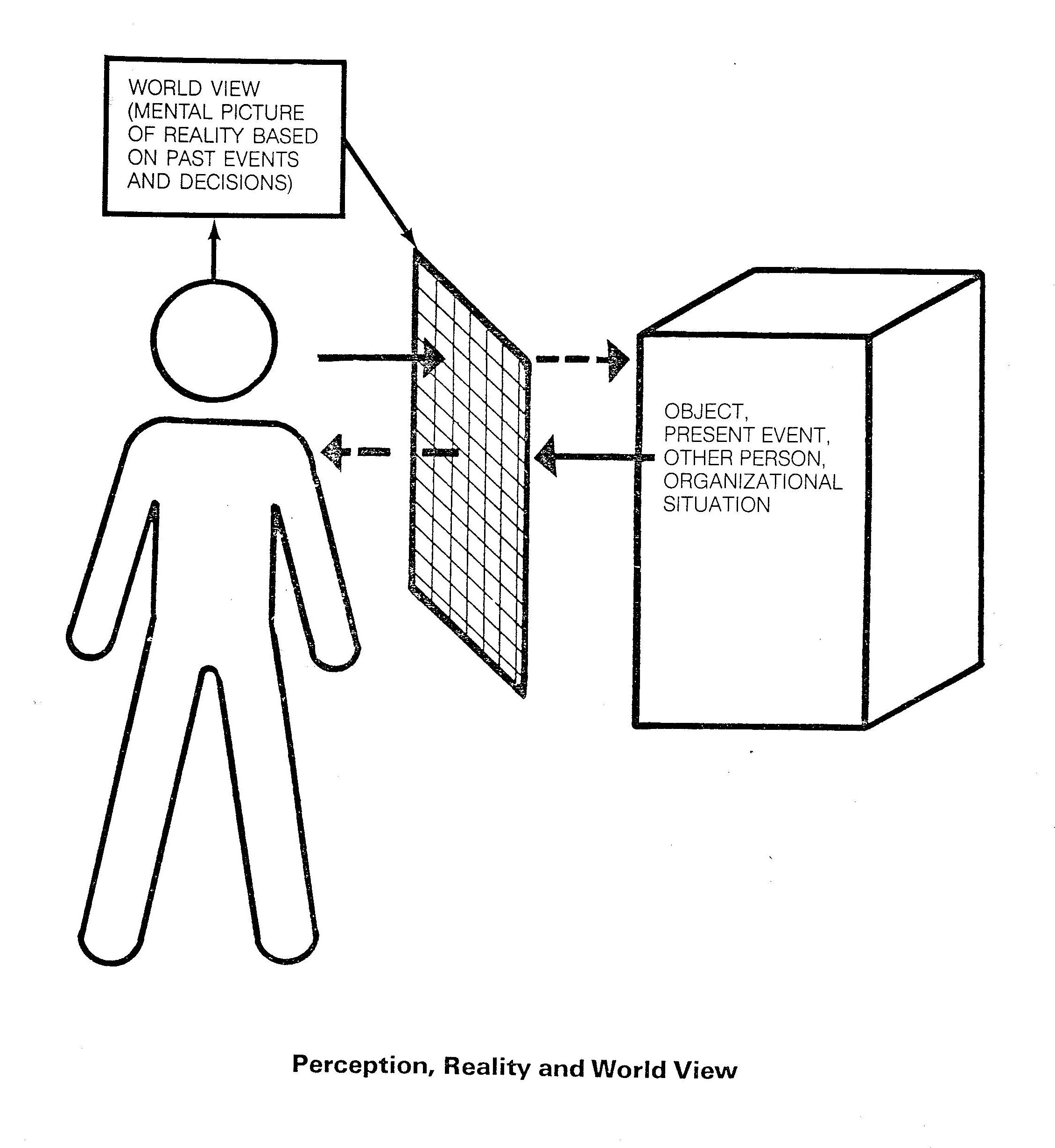
Your worldview isn’t just your opinion about specific topics—it’s the fundamental framework that shapes how you process all information and make sense of reality itself. As the diagram above shows, the same objective reality can pass through different people’s worldview filters and emerge as completely different perceptions—which explains why two people can witness the same event and come away with entirely different interpretations.

Where Do These Filters Come From?

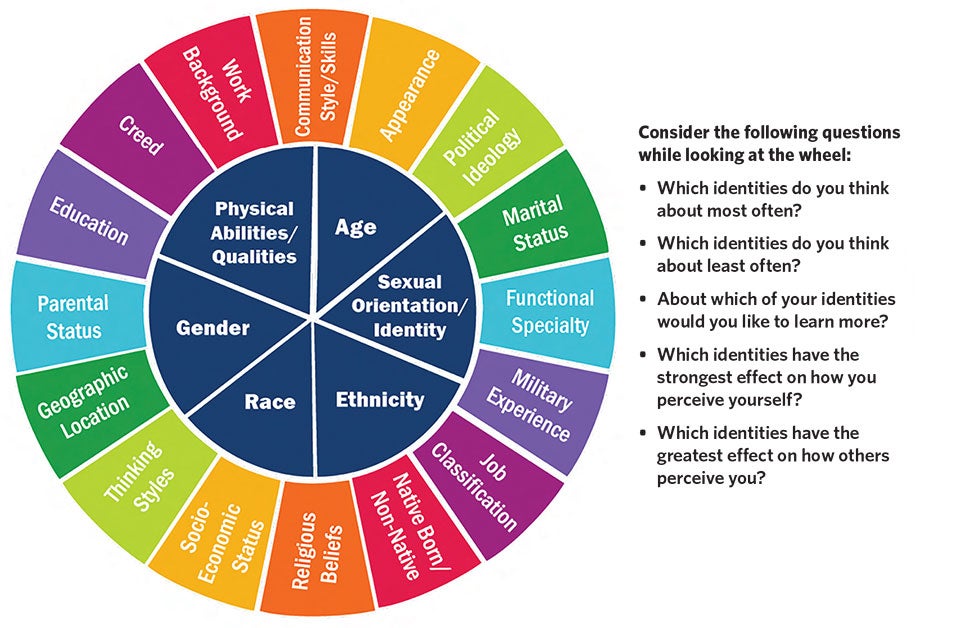
Our worldviews don’t form randomly. They’re built from the unique combination of experiences that make up our lives:

Life Events: Significant experiences shape our understanding of how the world works. A person who grew up during the Great Depression might have very different views about financial security than someone who came of age during the dot-com boom, when 22-year-olds were becoming millionaires overnight.

Cultural Environment: The stories, traditions, and values we absorb from our families and communities create deep patterns in our thinking, often operating below our conscious awareness. Religious and spiritual traditions are particularly influential, shaping our fundamental beliefs about human nature, morality, and life’s purpose in ways that affect how we interpret virtually every situation we encounter.

Social Circles and Information Sources: The people we spend time with and the media we consume reinforce certain ways of seeing the world while making others seem foreign or wrong. In our current information environment, algorithms for social media or search results often create echo chambers that reinforce our existing filters, rather than challenging them.
Source: https://pacasa.org/news/identity-wheel

These filters work hand-in-hand with our brain’s natural tendency toward confirmation bias. Our Lizard Brain, focused on quick survival responses, uses these filters to rapidly categorize new information as friend or foe, safe or dangerous—noticing information that supports our existing beliefs while dismissing contradictory evidence.

Why Understanding Worldview Filters Matters

Since none of us have had exactly the same combination of life experiences, we’re naturally going to end up seeing some things very differently. Recognizing worldview filters is crucial because everyone has them, but most people don’t realize it. We tend to think our way of seeing things is simply “how things are” rather than one possible perspective among many. These filters operate unconsciously and often lead to misunderstandings when people wearing different worldview glasses discuss the same topic—it’s almost like you’ve learned to speak different languages.

Seeing Your Own Lens

The goal isn’t to eliminate your worldview filters—that’s impossible. Instead, the aim is to become aware of them to help understand how they might be controlling your thinking.

Try asking yourself:

  • What major life experiences have shaped how I see the world?
  • When I have a strong emotional reaction to new information, what might that tell me about my filters?
  • How might someone with a completely different background interpret this same situation?

When you encounter someone who clearly sees the world differently than you do, try approaching them with genuine curiosity rather than judgment. Ask questions to help understand their perspective—not to prove them wrong, but to learn how their experiences shaped their worldview. This curiosity can lead to a much deeper understanding than arguing ever could. And that can make space for exchanging ideas.

The most profound conversations often happen when people recognize that they’re looking at the same reality through different lenses, rather than assuming one person is simply right and the other wrong. Next time you find yourself thinking “how can they not see the truth?”, remember: they might be wearing different worldview glasses than you are.

Which personal experiences do you think have most shaped your own worldview? Have you ever had a moment when you realized you were seeing something through a particular filter or bias? Are there some worldviews that are “right” and others that are “wrong”? Feel free to add your thoughts below.


Up Next: “Moral Foundations: Our Beliefs About How Things Are Supposed To Work”

Changing Course: How America Got Lost, and How We Can Find Our Way Back Together

An Introduction to the Building Bridges To Common Ground Series

If we’re going to have a shot at living together peacefully, we need to understand each other.
— Jonathan Haidt


Ever since I was a kid, I’ve always been interested in how things work (or sometimes, don’t work). But back in 2016, I was especially puzzled about a phrase I kept hearing people say during the US Presidential race between Donald Trump and Hillary Clinton. It was this:
“How could you possibly vote for (fill in the blank)?”.
It didn’t matter which side they were on–everyone had the same incredulous, confused tone in their voices.

Now, I know there have always been disagreements about who to vote for–that’s part of how democracy works. But what struck me then was that people weren’t just disagreeing–they genuinely could not understand how someone else could possibly come to such a bizarre conclusion. It’s like we were living in different realities. And of course, it hasn’t gotten any better since then…it’s continued to ramp up. How did we get so divided? And is there a path to finding our way back to some common ground? That’s the basic concept behind this blog series. And of course, this idea is not limited to politics. We experience deep differences and misunderstandings in our work environments and in our attitudes about how kids should be educated, our opinions about health and wellness, use of technology, environmental perspectives, and many other issues.

One thing we all have in common: we all have to make daily decisions about how we will live our lives. And our collective answers to those questions have a lot to do with how well we’re going to be able to live together. Where do we get our ideas and why does there seem to be so many differences in how we answer fundamental questions like this?

What This Series Is All About:

This Events For Change blog has always been about exploring ways we can create positive change. Most of what I’ve written in the past has been about using the power of gathering people together at events to facilitate and inspire changes. In this Building Bridges series, I’m going to focus more on the dynamics of how we can encourage change by having more productive conversations with people we disagree with, so we can reach some common ground where we can all live together and, even better, collaborate on improving our lives. I believe we can do much better than we have been, but we will need to build new skills and understanding if we want to get there. Obviously the way we’re used to doing things is not working well–I think almost everyone would agree with that.

This process starts with yet another set of simple questions: Can we really change someone else’s mind? If so, how? And are we open to having our own minds changed? (That last one may be the toughest challenge of all.)

These questions have taken on extra significance as our society grows increasingly polarized. Like many of you, I’ve watched friends and families divide over politics, witnessed the erosion of trust in our shared institutions, and felt the growing difficulty of having meaningful conversations across differences. Over time, what I’ve discovered is that there are some patterns behind this chaos—understandable reasons why humans behave the way we do, why society has evolved to where we are today, and most importantly, how we might chart a better course forward together.

I’m not suggesting that I have all the answers – I don’t! But what I can do is share a number of useful ideas from a lot of smart people I have stumbled across over the years. I’m interested in sharing these ideas with other curious, thoughtful people who have similar questions about why humanity often has such a hard time living together and how we might get better at that.

I’m not trying to sell you on anything, or get you to agree with me. I’m not here to persuade you that you are right, or that you are wrong. And the goal is not necessarily to get everyone to agree, which is likely to be impossible. Instead, the hope is to try to learn how to find each other around common values and concerns, so we can at least move forward together.

Topics We’ll Explore:

My plan is to explore five interconnected areas that help explain how we think, believe, and relate to one another:

Foundations: How Humans Process Information

Understanding our “lizard brain” versus our “wizard brain,” why emotions and instinct drive decision-making, and how our need for mattering shapes our worldview.

The Power of Stories

How narratives shape our reality, why stories are more persuasive than facts, and the origin stories that define cultures and individual worldviews.

Belief Formation & Maintenance

The fascinating ways our brains build and defend beliefs, why confirmation bias is so powerful, and why it’s so hard to change someone else’s mind.

Group Identity & Behavior

Our tribal nature, the moral foundations behind political differences, and the complex dynamics of belonging and exclusion.

Bridging Divides

Practical approaches to better conversations, techniques for genuine understanding, and building connections across differences.

An Invitation For You:

Warren Bennis once said, “None of us is as smart as all of us.” This isn’t just a collection of my observations—it’s an invitation to a conversation. At the end of most posts, I’ll ask: “What do you think? What am I missing?” Because I certainly don’t have all the answers, but I do believe in the power of collective wisdom.

I hope you’ll join me in this exploration, add your own insights, and help build understanding. Because finding our way back to connection doesn’t require us to agree on everything—just to see each other more clearly.

What questions are you hoping this blog might address? What aspects of our divided world puzzle you the most? What do you think it will take to get people who disagree to at least have constructive conversations? I’d love to hear your thoughts below.


Up Next: we’ll jump in with our first topic,
“Meet Your Two Brains: The Wizard and The Lizard”