
Episode 4 of the Building Bridges Series
4-minute read
“People like us do things like this.”
I really like this simple, useful description of what a “culture” is, which I got from the author/teacher Seth Godin. It captures one of the most powerful forces shaping human behavior: our deep need for belonging.
We humans are fundamentally social creatures. Throughout our evolutionary history, being part of a group wasn’t just nice—it was necessary for survival. Those who belonged to strong tribes lived; those who were cast out often died. It’s no wonder that our brains developed powerful mechanisms to help us form, maintain, and defend our tribal connections.
Where You Can Find Tribes
When I say “tribes,” I’m not just talking about ancient clan structures. In today’s world, our tribes come in countless forms:
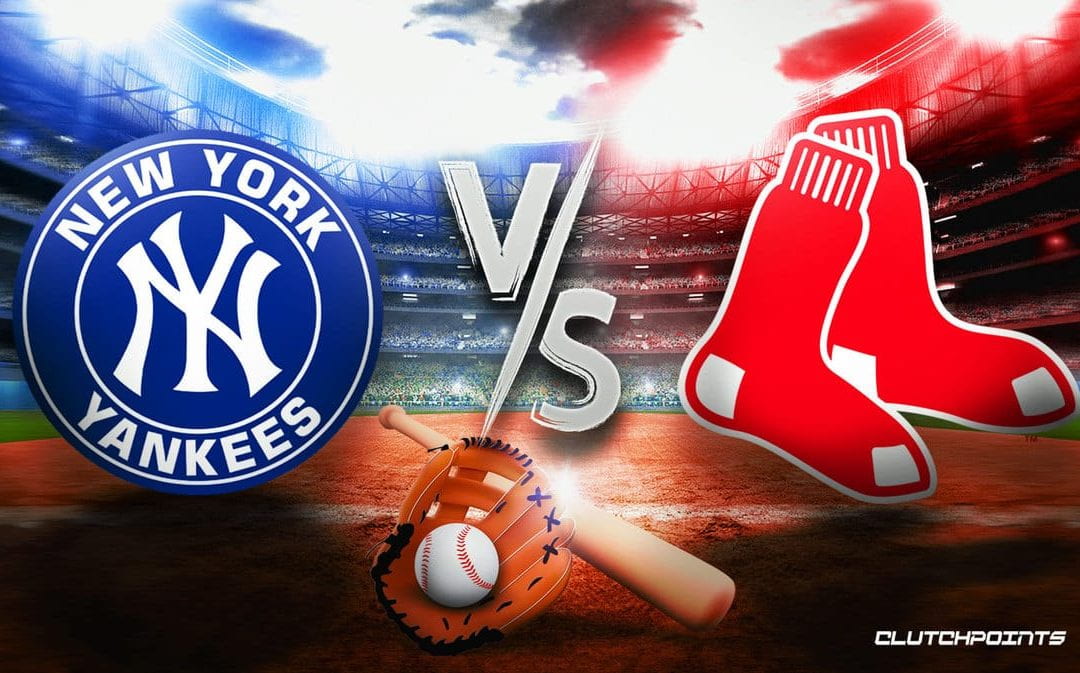
- Sports team fans
- Political parties
- Religious communities
- Professional groups
- Online communities
- Brand loyalists
- Issue Activists
- Club members
- Schools and colleges
- Neighborhoods
- Cultural or ethnic groups
Some tribes are formal, with clear membership boundaries. Others are informal, with unspoken rules about who belongs. But all tribes share something important: they give us a sense of belonging and become part of our self-identity.
How Tribal Identity Shapes Us
Our tribal memberships affect us in ways we often don’t realize:
- They tell us how to behave. Each tribe has norms—spoken or unspoken rules about “how we do things around here.” We follow these norms, often without questioning why.
- They shape what we believe. We tend to adopt the beliefs common in our tribes, sometimes before we’ve even examined the evidence ourselves.
- They influence who we trust. We naturally trust members of our tribes more than outsiders, even when there’s little rational basis for this difference.
- They affect how we process information. We’re more likely to accept information from tribal sources and reject information from outside, regardless of accuracy.
The fascinating (and sometimes troubling) thing about tribal identity is how quickly it forms. In lab experiments, researchers can create tribal loyalty by dividing people into groups based on something as meaningless as which color shirt they’re wearing. Within minutes, people start favoring their own group members. It’s essentially an automatic human behavior, which grew out of a need for safety and survival.
Our tribal identities supercharge our confirmation bias. When information challenges not just our individual beliefs but our tribe’s shared beliefs, our confirmation machines work overtime to protect both our personal worldview and our standing in the group. This is why it’s often easier to change someone’s mind on a neutral topic than on an issue that’s central to their tribal identity—their psychological defenses get ramped up.
This tribal dynamic can be reassuring and fun. It can be very useful for creating strong social bonds, teamwork and collaboration. It’s a big part of how we have built cities, nations, and entire cultures. But it is also how, sometimes, each one of those things has crumbled.
The Dark Side of Tribalism

When our tribal identity becomes too central to our self-concept, we start seeing the world in terms of “us” versus “them.” People outside our tribe become less human in our eyes, making it easier to dismiss, dislike, or even dehumanize them. (If you’re a baseball fan, imagine wearing a NY Yankees cap to a Red Sox game in Boston.) Tribal thinking can lead us to seeing everyone as either with us or against us: friends or enemies, heroes or villains.
We also become resistant to information that might threaten our tribal standing. Research shows that people with strong partisan identities will sometimes reject factual information if accepting it would put them at odds with their tribe—even if doing so goes against their own personal interests. That’s how powerful the need for belonging can be.
Breaking Free of Tribal Limits
The goal isn’t to abandon all tribal connections—they’re too fundamental to human experience. Instead, we can:
- Become aware of our tribal identities. Which groups do you feel like a part of, and how might that shape your worldview?
- Join multiple, overlapping tribes. Having diverse group memberships makes us less likely to over-identify with any single group.
- Recognize our shared humanity. Even as we acknowledge group differences, we can remember what connects us across tribal lines.

Next time you find yourself dismissing someone’s perspective, ask: “Is this my thinking brain at work, or my tribal identity protecting itself?”
If you’re interested in learning more about how Tribalism works (and sometimes doesn’t work), I highly recommend this article at The Conscious Vibe: This Is Why Tribalism Is A Social Problem
What “tribes” do you belong to? Can you think of an example of how your tribal identity has influenced how you see an issue, or how you view others who are not part of your tribe? Feel free to add your thoughts below.
Up Next: “6 Expectations to Abandon Before Your Next Difficult Conversation“




 EventsForChange
Leave a comment